How Are Mineral Rights Passed Down
August 27, 2024
When it comes to mineral rights ownership, there are several important aspects to familiarize yourself with. This includes understanding how…
![[object Object]](https://ksminerals.com/wp-content/uploads/logonew.png)
![[object Object]](https://ksminerals.com/wp-content/uploads/16.webp)
![[object Object]](https://ksminerals.com/wp-content/uploads/2-1.webp)
![[object Object]](https://ksminerals.com/wp-content/uploads/5.webp)

Being informed about your property’s mineral rights can help you make better decisions regarding the valuable minerals beneath your land’s surface. The topic of mineral rights might be a little intimidating due to its potential complexity and legal implications, but knowing the basics can help you understand your own property better.
As a mineral rights buyer, we at KS Minerals know all there is to know about mineral rights. To help you understand your underground resources better, we’ll go over the following topics:

So, what are mineral rights and how do they work? Mineral rights are also known as mineral interests, mineral estate, and subsurface rights. They refer to a person or entity’s authority to explore, extract, and sell the natural resources found in a specific piece of land. These valuable resources include oil and gas, coal, non-metallic minerals, and precious metals. In some cases, the mineral rights owners are different from those who own the surface rights of the same plot of land (more on that later).
If you own mineral rights, you can authorize mining or oil drilling on your land and receive royalty payments from mining companies. Alternatively, you can sell mineral rights to private companies. This means you’re transferring the ownership rights to them, allowing them to extract minerals and sell them for revenue. In return, you’ll receive an agreed-upon lump sum payment amount.

It’s important to know the difference between surface rights and mineral rights. A surface owner owns the surface estate or surface rights, meaning they can do whatever they want with the physical land itself, but not the natural resources beneath that land. With surface rights, you can use the land for various purposes like building houses, farming, and recreational activities.
On the other hand, mineral rights involve the legal right to the subsurface resources and subsurface water found beneath a plot of land. Mineral rights deal with everything happening under the surface, including the extraction of rare earth elements, precious metals, oil and natural gas, and other natural resources.

When the mineral rights and surface rights have the same owner, it’s referred to as a unified estate. Having one owner for both estates simplifies decision-making and mineral extraction procedures because you don’t need to coordinate with another owner. Instead, you’re in control of what happens to both the surface and subsurface resources of your property. Say, if you decide to sell the mineral rights, you get to keep the surface rights as the original owner and vice versa.
In contrast, some mineral owners only have ownership rights over the underground resources but not the surface itself (and the other way around). In such cases wherein the land ownership is divided between a different mineral and surface rights owner, it’s called a severed estate or a fractional estate.
This can bring about various challenges, including conflicting interests between the two owners. Typically, the mineral and surface rights owners negotiate agreements to establish compensation, special considerations, and specific terms about property rights.
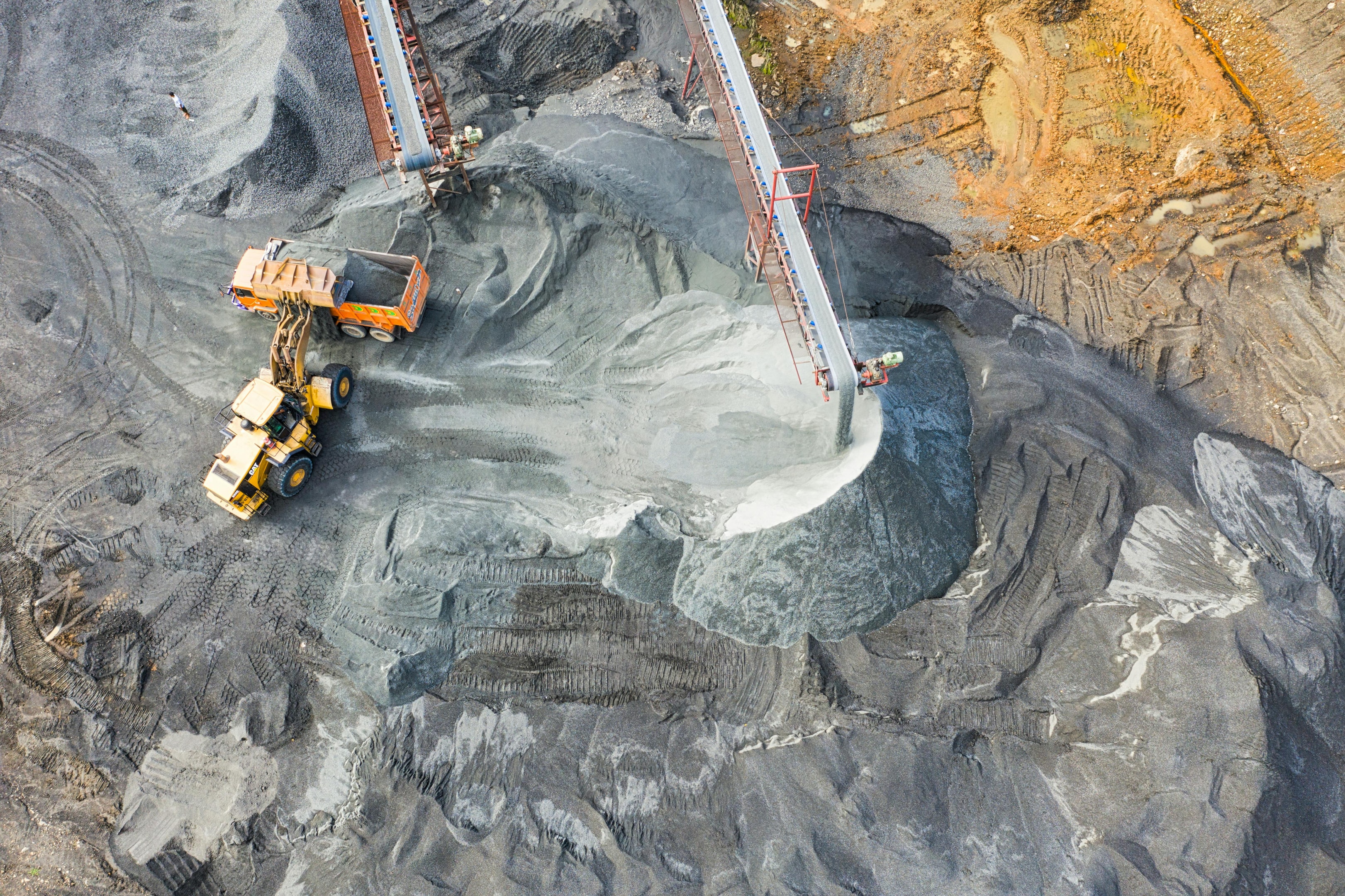
When you hold mineral rights to producing minerals, it means the underground resources in your property are currently being extracted (e.g. oil, natural gas, metals, coal, etc.) and are consistently generating revenue. Mining companies, especially those in the oil and gas industry, find producing minerals more lucrative and advantageous. They offer more value because they’re already generating income and royalties, which means the wells are profitable.
Meanwhile, non-producing minerals exist underground but aren’t being extracted and processed at the moment. For example, non-producing minerals can include undiscovered oil and gas reserves that have the potential for profitability. If you hold mineral rights to non-producing minerals, you can lease or sell your mineral rights to companies interested in exploring and extracting those untouched resources.

Mineral rights owners either lease or sell their mineral rights. Leasing your mineral rights means you’re granting permission to companies to explore, develop, and extract minerals like oil, natural gas, coal, and metals. For instance, oil and gas leases enable companies to profit off your mineral property, and in exchange, you receive royalty payments which are usually based on a percentage of the revenue.
The other option is to sell. When you sell your mineral property for its assessed value, you’ll be transferring your ownership of the mineral rights to the buyer. As a previous owner of the mineral rights, you won’t receive royalty payments anymore, but you will receive a lump sum payment for it.
Ultimately, the choice between leasing and selling your mineral rights depends on your personal needs and priorities. You have to determine whether upfront payment or steady royalties will benefit you more.

In the United States, mineral rights ownership can be acquired through various means including purchase, leasing, inheritance, or government grants. Individuals, corporations, trusts, and government entities can claim ownership of mineral rights. However, there are instances where multiple individuals and corporations hold ownership of the same mineral rights—take the Permian Basin in Texas and New Mexico for example.
Private landowners can own mineral rights. In the US, mineral rights are seen as property rights that can be bought, sold, or leased. So, property owners have the opportunity to diversify their income by leasing their mineral rights for royalties or selling for large sums of money.
Private companies and corporations can also own mineral rights. They usually acquire them through purchase or leasing agreements. Typically, companies and corporations facilitate the exploration, extraction, and sale of resources from the land.
In some cases, trusts own mineral rights. Trusts can act as legal entities and manage assets (mineral rights) according to specific terms. Trusts can lease mineral rights to companies for royalties and generate money for its beneficiaries.
Governments can also own mineral rights. Specifically, mineral rights are typically owned through state, federal, and local agencies. Generally speaking, government ownership of mineral rights promotes the proper management of natural resources, ensuring alignment with public interests and environmental goals.
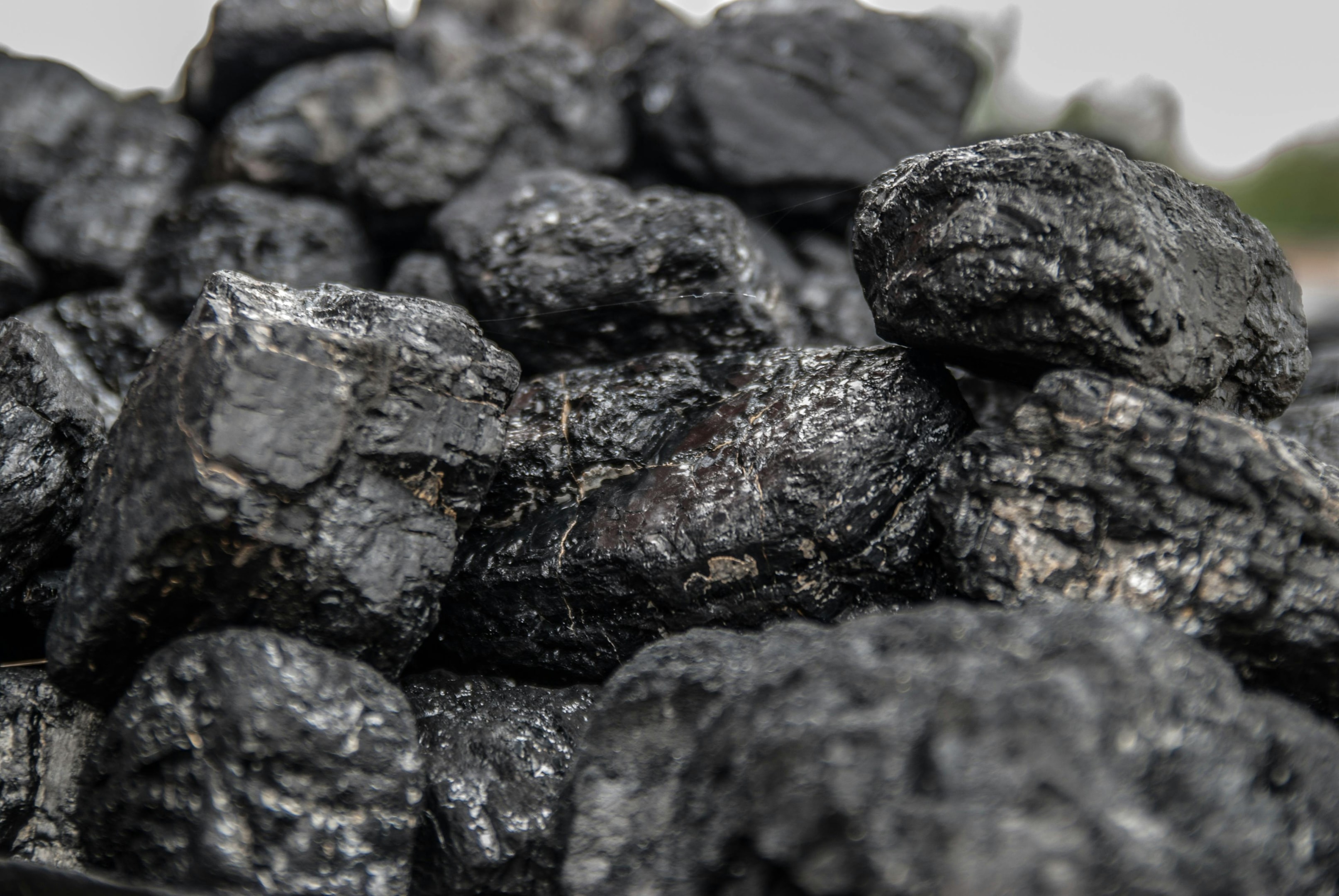
Curious about the specific minerals covered by your mineral rights? They can include various underground resources and fossil fuels. As a mineral rights holder, it’s essential that you know the type of treasures you have underground so you can more accurately assess their value.
Oil is one of the main resources covered by mineral rights. Owning mineral rights to oil can be extremely profitable because of the high demand worldwide. Both leasing and selling can bring you many financial benefits.
Like oil, natural gas is another important resource. The demand for natural gas is also high due to its efficiency and lower emissions compared to other fossil fuels like coal.
Metals include gold, silver, copper, and iron. Due to their wide usage, metals can be profitable, though the demand for metals still relies on economic factors and market considerations.
Other resources covered by mineral rights include:

Are you hoping to verify whether you own mineral rights? Determining mineral ownership can be achieved through the following methods:

KS Minerals purchases mineral rights throughout the United States, including Kansas, West Virginia, New Mexico, and Texas. Contact us today to discover the value of your mineral rights and explore your options.


