What Are Mineral Rights
August 27, 2024
Being informed about your property's mineral rights can help you make better decisions regarding the valuable minerals beneath your land's…
![[object Object]](https://ksminerals.com/wp-content/uploads/logonew.png)
![[object Object]](https://ksminerals.com/wp-content/uploads/4-e1733899387498.webp)
![[object Object]](https://ksminerals.com/wp-content/uploads/16.webp)
![[object Object]](https://ksminerals.com/wp-content/uploads/5.webp)

Learning about mineral rights can help you make informed decisions about your precious underground resources in Kansas. At KS Minerals, we understand that it can be quite overwhelming to manage mineral rights—even more so for new mineral rights owners. After all, you want to make sure you’re making all the right decisions, especially if you’re sitting on a literal gold mine that could drastically change your life.
We’ve put together a quick guide to walk you through the key topics about mineral rights in Kansas. We’ll go over the following points:

Mineral rights in Kansas refer to a person or entity’s legal authority to facilitate or allow mineral exploration and extraction from a specific plot of land. The minerals beneath your land can include natural resources and fossil fuels like oil, natural gas, precious metals, and rare earth elements.

As a mineral rights owner, you can establish contracts with mining companies and approve their mining or oil drilling on your property. In return, you’ll get a cut of the revenue from the valuable resources by receiving royalty payments. During periods when production on the property is temporarily halted, owners typically receive shut-in payments.
Aside from leasing, you can also sell mineral rights to companies and corporations in the oil and gas industry, such as a Kansas mining company. Selling mineral rights means you’re authorizing a mineral rights transfer and that the ownership rights to the minerals go to the buyer. You’ll receive a lump sum payment for the mineral rights transfer and the buyer will now have the full rights to extract minerals from the land for profit.
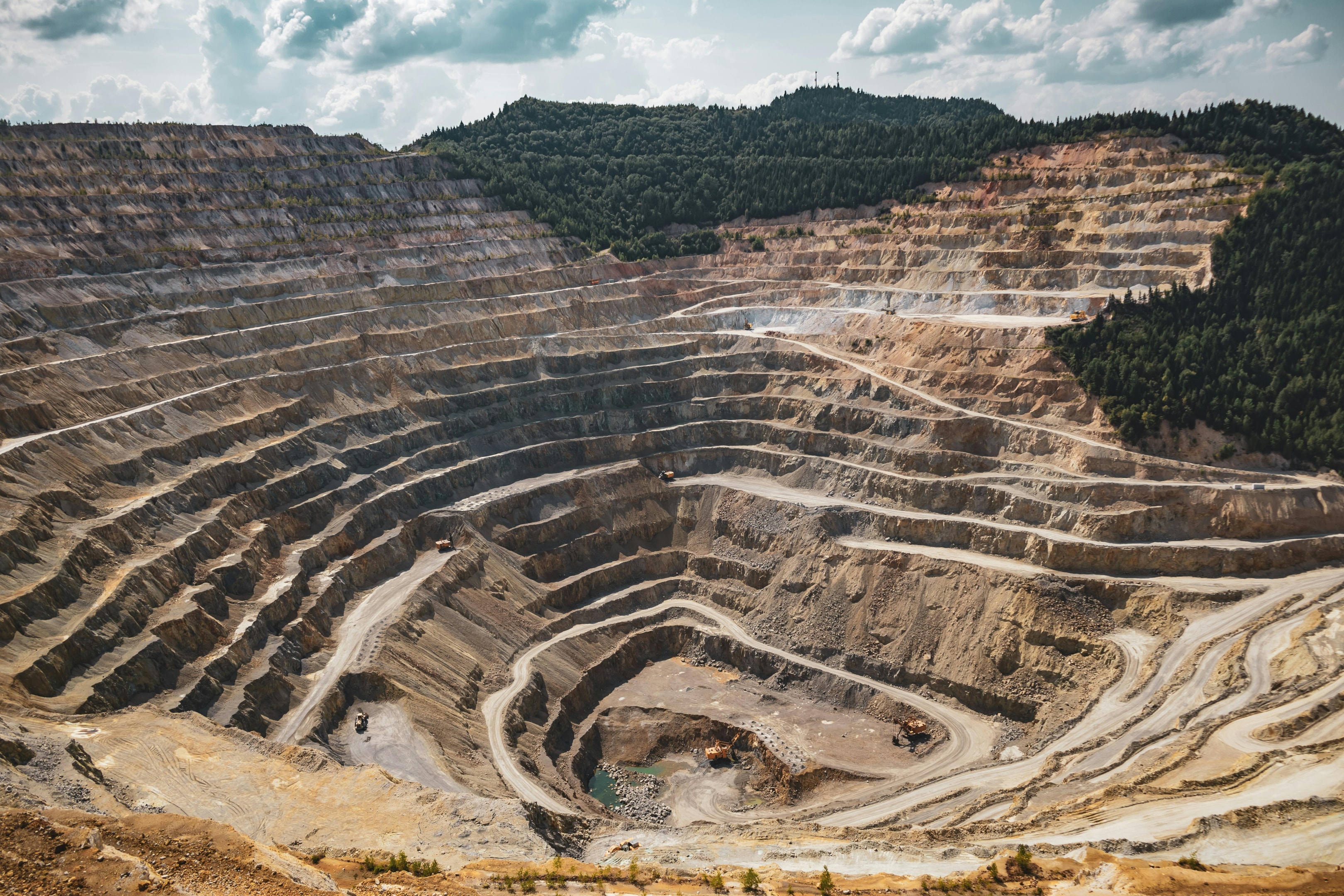
If you own mineral rights, you either own producing or non-producing minerals. Simply put, producing minerals currently have ongoing extraction and mining operations that generate income. The opposite of that is non-producing minerals; this means no natural resources are currently being extracted and sold from that property.

Surface rights and mineral rights are two different things. Surface rights or owning a surface estate means you own the land and property itself—everything above the surface. Surface owners have the right to build structures as well as to facilitate agricultural and recreational activities on the land. However, owning land doesn’t mean you also own the underground resources found below.
The natural resources that lie beneath the surface belong to the mineral rights owner. It’s the mineral right owner who decides what happens to the valuable minerals rather than the surface owner.

In some cases, the same person or entity owns the mineral rights and the surface rights to a property. This is called a unified estate. When you have a unified estate in Kansas, you have full control over the property rights, meaning you can lease or sell your oil and gas rights without having to coordinate with a separate surface rights owner.
Investors and buyers generally prefer an estate with the same owner because it simplifies the management process as well as the extraction of valuable minerals from the property.
Meanwhile, a severed estate (also known as a fractional estate or split estate) means there are separate mineral rights and surface rights owners. In these cases, there are often conflicting interests between the mineral owner and the surface rights owner.
For instance, if the owner of the mineral rights wants to extract oil and natural gas from the land, it may lead to surface damage, which the surface owner will not be happy about.
To solve existing and potential issues between the surface rights and mineral rights property owners, both parties write up an agreement that discusses the ownership rights and interests of both parties.
For example, the person or entity that owns the mineral rights can compensate the surface rights owner for any surface damage or usage during the extraction of precious metals, oil, and gas. In the same vein, there will be terms and conditions that ensure that the surface will be used in a manner that respects the mineral owner’s rights.

Mineral rights in Kansas can expire depending on the contract details. To determine when the expiration date is for your mineral rights, check relevant documents like the property deed, lease agreement, title document, and other legal documents related to the mineral rights.
However, mineral rights can last indefinitely if there’s no specified duration or termination in the mineral rights contract. So, thoroughly review your documents to understand the ownership expiration details (if any) of your property or land.

Similar to many countries and cities in the world, mineral rights in Kansas can be owned by various individuals and entities. Here are some of the most common ones:
An individual property owner or landowner can own a property’s mineral rights in Kansas. In many cases, these people own property that’s been passed down from the previous owner (e.g. family members). Alongside the property rights are the mineral rights to the same plot of land. As a result, they have the right to lease or sell the oil and gas mineral rights.
Corporations and partnerships in Kansas can also hold ownership rights to mineral property. It allows businesses to explore plots of land and extract resources like metals, coal, oil, and gas for profit. They typically manage and shoulder mining operations and other mineral production costs.
Government entities in Kansas can also own mineral rights, including coal, oil, and gas rights. This ownership allows local and state governments to develop natural resources in their area and legally extract them from their property. Government entities in Kansas typically acquire mineral ownership by buying the property directly, leasing it, or sometimes inheriting it.

If you think you might own mineral rights in Kansas, you can confirm your ownership in many ways.
You can start by reviewing the deed to your property. You’ll find details on whether you own both the surface rights and mineral rights or if you only own one of the two.
Your deed and mineral rights documents should also outline other details and specific terms, like a time limit on the extraction and production of minerals or instructions regarding excavation to a certain depth. There are also state laws that regulate extraction activities for environmental safety.
If you purchased title insurance when buying the property, you’ll likely find information about your ownership rights in the policy details. If you need professional assistance, a title company can help you interpret this information.
For more information on your mineral rights ownership, you can pay a visit to your county office and look through the public records regarding ownership and mineral rights. You can find relevant documents like land records, ownership records, or lease agreements.
If you’re leasing your property for mineral mining and extraction, you can confirm your ownership status by reviewing your lease agreement with the oil or mining company.
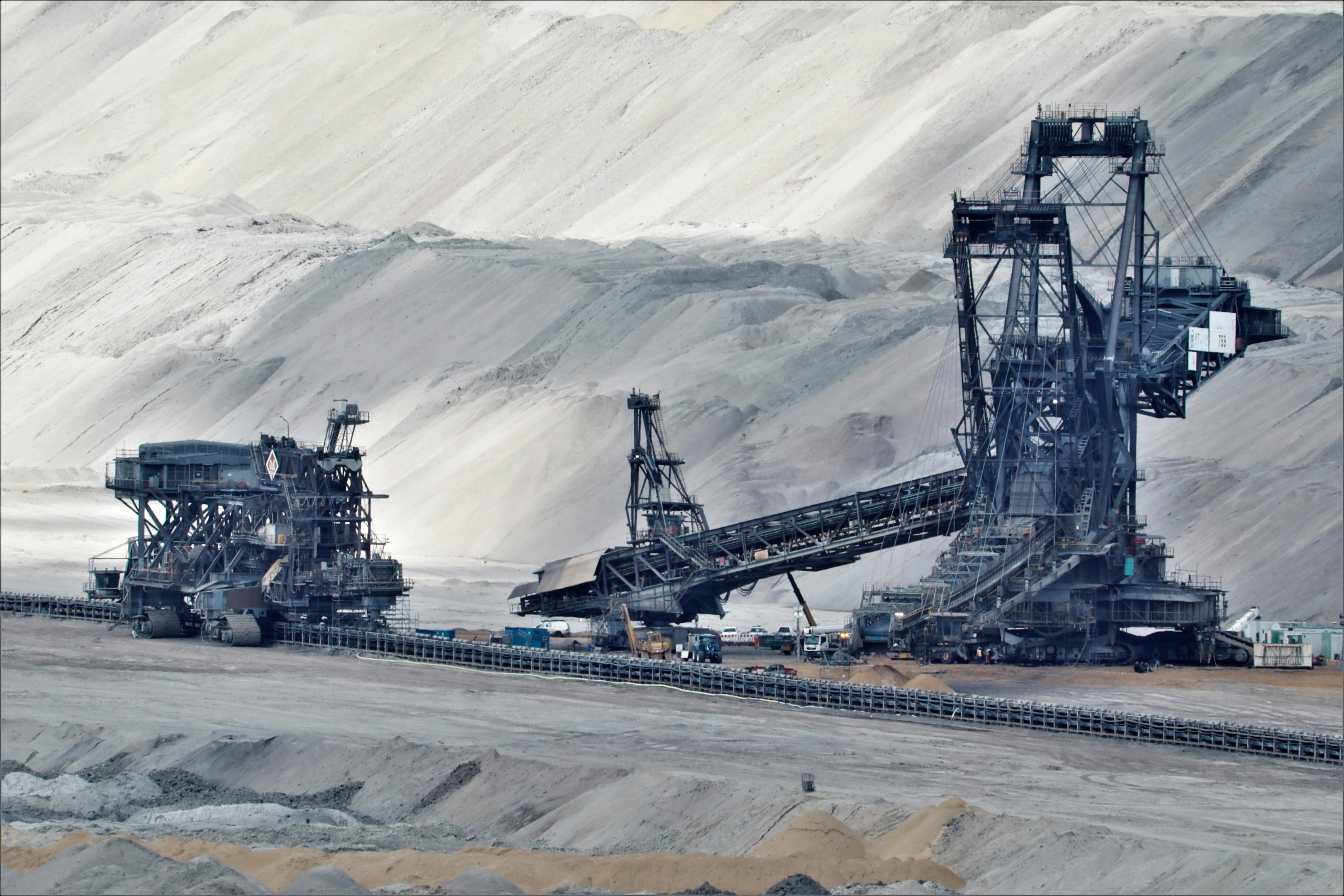
In Kansas, you can generally expect to find specific minerals underground. Here are some of the common minerals you can extract from your property as a mineral rights holder:
Oil is one of the most commonly found minerals in Kansas. This valuable resource is extracted from wells through drilling operations. Many mineral owners benefit greatly from oil royalties given the mineral’s in-demand status in Kansas and worldwide.
Equally in demand is natural gas. It’s another important mineral found in Kansas and is often extracted alongside oil. It’s a clean-burning fossil fuel that serves many purposes and is seen as a more sustainable energy source due to its noticeably lower carbon emissions compared to other minerals.
Other minerals typically found in Kansas include:

At KS Minerals, we purchase mineral rights throughout the United States, including Kansas, West Virginia, and New Mexico.
We have a quick and easy process for acquiring mineral rights: (1) a professional valuation of your mineral rights, (2) extending a fair and competitive offer, and (3) securely and promptly sending your compensation. We also want to make sure that you’re well-informed throughout every step of the process, so we’re happy to entertain any questions or clarifications.
If you’re a Kansas mineral rights owner interested in selling, contact us today for a valuation. Rest assured that you’ll receive the best price for your property.


